Taurine in Dog Food: What It Does and What to Watch
Taurine explained: fiber & extras contributing 0% protein protein, used for heart muscle support in legume-heavy diets. Label-reading notes and cautions.
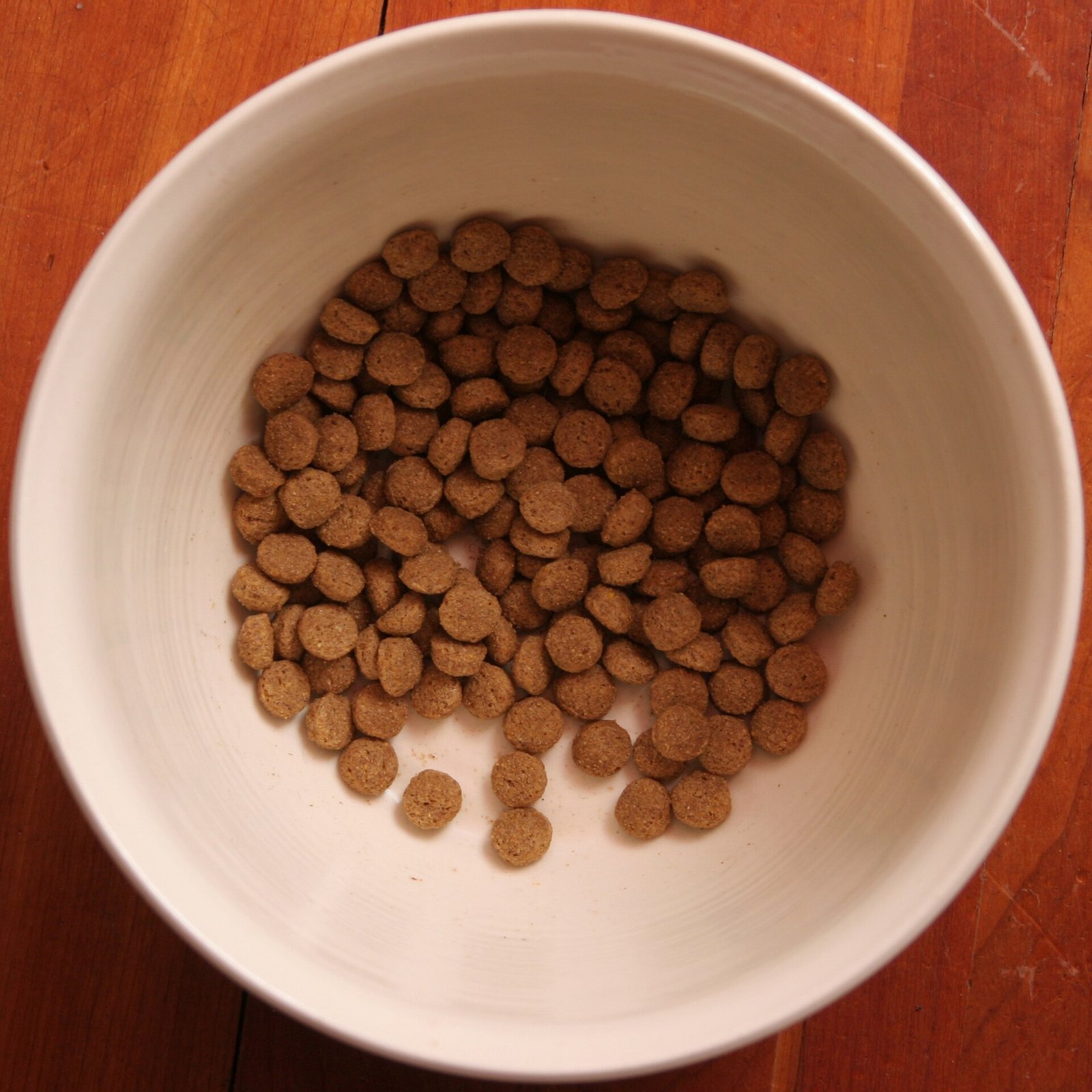
| Category | Fiber & extras |
|---|---|
| Protein contribution | 0% protein |
| Primary role | Heart muscle support in legume-heavy diets |
| Watch for | Synthetic addition signals a formulation gap to fill |
Taurine appears on ingredient panels as fiber & extras. Its protein contribution is 0% protein and its main job in a dry recipe is heart muscle support in legume-heavy diets.
What it does in the recipe
| Attribute | Detail |
|---|---|
| Category | Fiber & extras |
| Protein contribution | 0% protein |
| Primary role | Heart muscle support in legume-heavy diets |
| Label position | Listed by weight before cooking |
| Watch for | Synthetic addition signals a formulation gap to fill |
Because ingredients are listed by weight before processing, taurine can rank above or below other components purely on water content. Compare dry-matter contributions, not list order, when judging how much protein actually reaches the bowl.
How to read it on a label
- Named is better: a species name (chicken, salmon, lamb) beats a category (meat, poultry, animal).
- Split listing: peas, pea protein and pea fiber are one ingredient counted three times.
- Percentage claims: ‘with real chicken’ legally needs very little chicken; ‘chicken first’ needs only the largest single share.
For taurine specifically: synthetic addition signals a formulation gap to fill.
Practical takeaway
Taurine is a supporting ingredient rather than a selling point. Judge the formula by total protein, fat and the AAFCO statement; single ingredients rarely decide quality on their own.
Bottom line: taurine is fiber & extras with a 0% protein protein contribution — useful, but only one line in a longer calculation.
Frequently asked questions
Is taurine good or bad in dog food?
Where should it appear on the label?
How much is too much?
More like this
Zinc proteinate in Dog Food: What It Does and What to Watch
Zinc proteinate explained: fiber & extras contributing 0% protein protein, used for skin and coat mineral in chelated form. Label-reading notes and cautions.
Beet pulp in Dog Food: What It Does and What to Watch
Beet pulp explained: fiber & extras contributing 8–10% protein protein, used for fermentable fiber for stool firmness. Label-reading notes and cautions.